Summer isn’t just a season; it’s a vibrant invitation to swap the stale air of the gym for the refreshing energy of the great outdoors. Whether you’re looking to crush a new fitness goal or simply want to soak up some much-needed vitamin D with friends, these twelve activities offer the perfect blend of health, happiness, and high-octane fun.
Exploring Nature Through Hiking and Trail Running
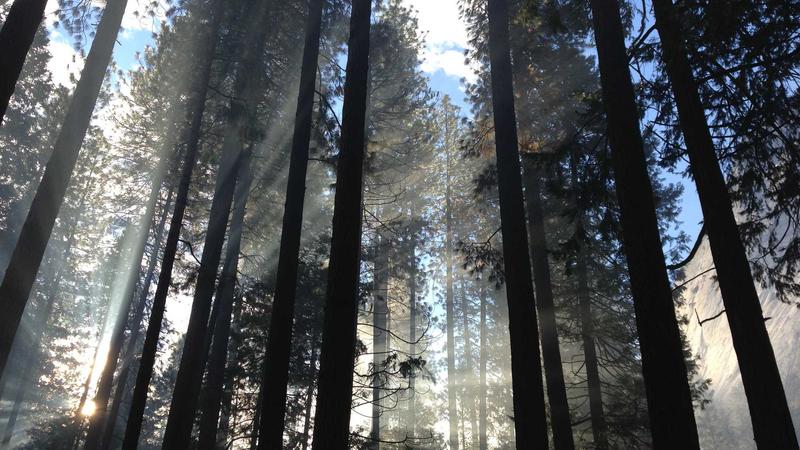
There is something inherently healing about the sound of crunching leaves and the scent of pine needles. Hiking remains one of the most accessible ways to stay active, requiring little more than a sturdy pair of boots and a sense of adventure. Beyond the physical workout, “green exercise”—physical activity in natural settings—has been scientifically proven to reduce stress. A study published in the journal Proceedings of the National Academy of Sciences found that people who walked for 90 minutes in a natural area showed decreased activity in a region of the brain associated with a key factor in depression.
1. High-Intensity Hiking
Don’t just walk; challenge yourself. Seek out trails with at least a 500-foot elevation gain to turn a simple stroll into a powerhouse glute and calf workout. Aim for a pace of 2.5 to 3 miles per hour to keep your heart rate in the aerobic zone. Pro Tip: Invest in a pair of moisture-wicking merino wool socks. They prevent the friction that causes blisters and keep your feet cool even when the temperature hits 90°F.
2. Technical Trail Running
If you’re bored with the treadmill, take your run to the dirt. Trail running engages your stabilizing muscles far more than pavement because your body must constantly adjust to uneven terrain, rocks, and roots. You can expect to burn roughly 10% more calories per mile on a trail than on a flat road. Start with a short 2-mile loop and focus on “short, quick steps” to maintain balance.
3. Peak Bagging
For the competitive souls, peak bagging—the quest to reach the summits of a specific list of mountains—is a fantastic way to gamify your fitness. Whether it’s the “46ers” in the Adirondacks or local hills in your county, having a goal keeps you motivated through the humid July heat. Use an app like AllTrails or Gaia GPS to track your vertical feet gained; hitting 1,000 feet in a single outing is a major milestone for beginners.
Water-Based Fun: Kayaking, Paddleboarding, and Swimming
When the mercury rises, the best place to be is on—or in—the water. Water activities provide a unique form of resistance training that is incredibly low-impact, making it ideal for those with joint concerns or anyone looking to recover from high-impact sports.
4. Recreational Kayaking
Kayaking is a phenomenal upper-body workout, targeting your back, arms, shoulders, and chest. A 160-pound person can burn approximately 350 calories per hour while paddling at a moderate pace. If you don’t own a boat, look for local rental kiosks; typical costs range from $15 to $30 per hour. Focus on rotating your torso with every stroke rather than just pulling with your arms to avoid fatigue.
5. Stand-Up Paddleboarding (SUP)
SUP has exploded in popularity for a reason: it is the ultimate core stabilizer. Balancing on a moving board requires constant engagement of your obliques and deep abdominal muscles. Pro Tip: If you’re a beginner, look for a board that is at least 32 inches wide. This added width provides the stability you need to stay dry while you find your “sea legs.”
6. Wild Swimming
Forget the chlorinated pool. Head to a local lake, river, or ocean for a “wild swim.” Swimming against natural currents or in cooler open water forces your body to work harder to regulate temperature and maintain forward momentum. Aim for 20 to 30 minutes of continuous movement. Ensure you wear a brightly colored swim cap or use a tow-float so boaters can easily spot you.
Community and Social Outdoor Games for All Ages
Exercise doesn’t have to feel like a chore, especially when it’s disguised as a social gathering. Mixing physical exertion with social interaction is a “life hack” for consistency; you’re much less likely to skip a workout when your friends are waiting for you at the court.
7. Pickleball Fever
Pickleball is currently the fastest-growing sport in America, and for good reason. It combines elements of tennis, badminton, and ping-pong on a smaller court, making it high-intensity but low-strain on the knees. A typical competitive match can last 15-20 minutes and keep your heart rate elevated. You can pick up a starter set of two paddles and balls for about $50-$70.
8. Beach or Park Volleyball
Nothing says summer like a game of volleyball. Playing in the sand adds a significant layer of difficulty; the unstable surface requires 2-3 times more energy than moving on a hard court. It’s a full-body workout that emphasizes explosive jumping and quick lateral movements. Organize a “round-robin” tournament with 4-6 friends to keep the energy high and the rest periods short.
9. Spikeball
If you haven’t seen this yellow trampoline-like net in your local park yet, you soon will. Spikeball is a 2-on-2 game that is essentially “360-degree volleyball.” It requires intense focus, agility, and a lot of sprinting. A single game usually takes about 15 minutes and will leave you breathless. It’s highly portable, making it the perfect “active” addition to any backyard BBQ or beach day.
Relaxing Summer Activities for Low-Energy Days
Not every summer day needs to be a marathon. On days when the humidity is stifling or you’re feeling the effects of a long work week, low-energy activities can still provide the mental reset and light movement your body needs to stay “happy.”
10. Outdoor Yoga and Tai Chi
Roll out your mat in the grass at sunrise. The uneven surface of the earth actually challenges your balance more than a flat studio floor. Practicing outdoors allows you to sync your breathing with the natural rhythm of the environment. Many cities offer free “Yoga in the Park” sessions during June and July—check your local community center’s calendar to find one near you.
11. Strategic Stargazing
While not “exercise” in the traditional sense, hiking to a remote spot away from light pollution is a great way to get extra steps in after the sun goes down. Use a stargazing app like Stellarium to identify constellations. It’s a meditative experience that lowers cortisol levels and prepares your body for a deep, restful sleep. Bring a lightweight, insulated outdoor blanket to stay comfortable while you look up.
12. Backyard Cinema and Picnic
Turn your evening meal into an event. Pack a picnic with high-protein snacks like hummus, nuts, and grilled chicken, and walk to a local scenic overlook. If you’re staying home, set up a portable mini-projector ($60-$120) and a white sheet in the backyard. You’ll stay active by setting everything up and enjoy the fresh air long after the sun sets.
Essential Safety Tips for Summer Outdoor Adventures
To keep the “active and happy” vibe going all summer long, you must respect the power of the sun and the heat. Heat-related illnesses are entirely preventable if you follow a few basic rules of thumb.
Prioritize Hydration Math
Don’t wait until you’re thirsty to drink. By the time you feel parched, you’re already 1-2% dehydrated. For intense outdoor activities like hiking or running, aim to drink 5 to 10 ounces of water every 20 minutes. Pro Tip: If you’re out for more than 60 minutes, plain water isn’t enough. Use electrolyte tablets or powders to replace the sodium and potassium you lose through sweat. This prevents the dreaded “heat headache” and muscle cramping.
Respect the UV Index
Sun protection is non-negotiable. Dermatologists recommend using a broad-spectrum sunscreen with at least SPF 30, which blocks 97% of UVB rays. Apply it 15 minutes before you head out and reapply every two hours—or more frequently if you’re swimming or sweating heavily. Don’t forget often-missed spots like the tops of your ears, the back of your neck, and your scalp if your hair is thinning.
Master the Timing
The sun is at its most punishing between 10:00 AM and 4:00 PM. Whenever possible, schedule your most strenuous activities—like that 5-mile trail run or the pickleball tournament—for the early morning or late evening. Early morning (6:00 AM to 8:00 AM) is often the “sweet spot” where the air is still cool, the trails are quiet, and you can finish your workout before the day’s heat becomes oppressive.
Staying active during the summer is about finding the right balance between pushing your physical limits and enjoying the unique leisure the season offers. By mixing high-energy water sports with social games and mindful nature walks, you’ll find that “staying fit” becomes a byproduct of having the time of your life. Grab your gear, call a friend, and make this summer your most active one yet.
Frequently Asked Questions
What are the most popular summer outdoor activities?
The most popular activities include hiking, swimming, and cycling due to their accessibility and varying intensity levels. Recently, social sports like pickleball and stand-up paddleboarding have seen a massive surge in participation across all age groups.
How do I prevent heat stroke while being active outdoors?
Prevent heat stroke by staying hydrated with electrolytes, wearing lightweight, light-colored clothing, and taking frequent breaks in the shade. Most importantly, listen to your body and stop immediately if you feel dizzy, nauseous, or develop a rapid pulse.
What gear is essential for a summer hiking trip?
Essential gear includes broken-in hiking boots or trail shoes, moisture-wicking clothing (avoid cotton), and a high-quality hydration reservoir or water bottle. You should also carry a basic first-aid kit, a whistle for emergencies, and a map or GPS device that works offline.