Summer is the season of endless possibilities, but the sweltering heat often makes us want to retreat indoors to the air conditioning. This guide reveals 15 exhilarating ways to embrace the sunshine, stay physically active, and keep your core temperature down, ensuring you make the most of every golden hour. From high-octane water sports to serene evening hobbies, you can maintain your fitness goals without risking heat exhaustion.
Water-Based Adventures for Hot Days
When the thermometer climbs above 90°F, the smartest way to stay active is to immerse yourself in H2O. Water-based activities provide natural resistance training while keeping your body temperature regulated through conduction.
1. Kayaking and Canoeing
Kayaking is an incredible upper-body workout that engages your core, lats, and shoulders. Rent a recreational kayak at a local lake or coastal center; typical rental costs range from $20 to $40 per hour. Focus on your “paddling box”—keep your arms relatively straight and use your torso to rotate the paddle through the water. This technique prevents arm fatigue and maximizes power. If you are a beginner, stick to flat water with minimal current.
2. Stand-Up Paddleboarding (SUP)
SUP has exploded in popularity because it offers a full-body workout with a heavy emphasis on balance. You will burn approximately 300 to 500 calories per hour just by maintaining your upright position on the board. For the best experience, choose a board that is at least 30 inches wide for stability. Look for “all-around” inflatable paddleboards if you want a portable option for your trunk.
3. Wild Swimming
Forget the chlorine and head to a local swimming hole, lake, or beach. Wild swimming is free and offers a “cold-water shock” that can boost your immune system and improve circulation. According to the CDC, swimming for just one hour can burn up to 500 calories, making it more efficient than moderate jogging. Always check local water quality reports before diving in to avoid bacterial exposure.
4. Water Aerobics and Lap Swimming
If you have access to a public pool, utilize it during “lap swim” hours. Try high-intensity interval training (HIIT) in the water: sprint for one lap, then recover with a slow breaststroke for one lap. This keeps your heart rate elevated while the water supports your joints.
Pro Tip: Invest in a UPF 50+ rash guard. Unlike sunscreen which can wash off in the water, a high-quality swim shirt provides constant protection against UV rays, reducing your risk of localized burns during long sessions on the water.
Nature Trails and Hiking Essentials
Hiking in the summer requires a shift in strategy. You cannot approach a July trail the same way you would a cool October path. Shaded environments and timing are your best allies.
5. The “Alpine Start” Hike
Avoid the peak heat between 10:00 AM and 4:00 PM by starting your hike at sunrise. Aim to be on the trailhead by 6:00 AM. Not only will the temperature be 10 to 15 degrees cooler, but you will also beat the crowds and likely see more wildlife. Use an app like AllTrails to find “shaded” or “forest-heavy” routes.
6. Canopy Bathing and Forest Trails
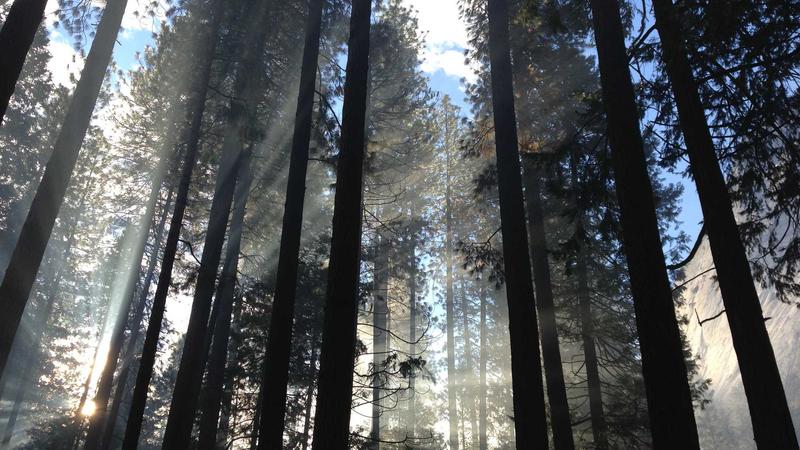
Seek out trails with dense deciduous canopies. Research published in Scientific Reports indicates that forest environments can be significantly cooler than urban areas due to transpiration and shade, sometimes by as much as 10 to 15 degrees Fahrenheit. This “microclimate” effect allows you to maintain a steady pace without overheating.
7. Waterfall Trekking
Target trails that end at a waterfall or follow a creek bed. The moving water creates a natural cooling effect through evaporation. Pack a pair of waterproof hiking sandals or water shoes so you can safely navigate slippery rocks and soak your feet at the destination.
8. Night Hiking
Equip yourself with a powerful headlamp (at least 300 lumens) and explore familiar trails after dusk. Night hiking offers a completely different sensory experience and total protection from the sun. Stick to well-marked paths and always hike with a partner for safety.
Pro Tip: Freeze your hydration bladder halfway the night before your hike. Fill the remaining half with fresh water in the morning. This creates a giant ice block that will provide ice-cold water for 3 to 4 hours and act as a cooling pack against your back.
Social Sports and Backyard Fun
Summer is the peak season for community sports. These activities combine cardiovascular exercise with social interaction, making the “work” of working out feel like play.
9. Pickleball
Pickleball is currently the fastest-growing sport in the United States, and for good reason. It is played on a smaller court than tennis, which means less running in the heat but more rapid-fire volleys. You can find public courts in almost every municipal park. Purchase a graphite paddle for better control and lightweight performance. Matches typically last 15 to 20 minutes—perfect for taking quick hydration breaks.
10. Beach Volleyball
Playing in the sand adds a significant resistance element to your workout, strengthening your calves and glutes. A 60-minute game of recreational beach volleyball burns roughly 300 calories. If you are playing in the sun, wear sand socks to protect the soles of your feet from scorching sand temperatures, which can easily exceed 120°F.
11. Disc Golf
Think of disc golf as a long, scenic walk with a purpose. Most 18-hole courses are free to play and located in wooded parks. A full round usually takes about 2 hours and involves 2 to 3 miles of walking. It is a budget-friendly way to stay active; a basic starter set of three discs (driver, mid-range, and putter) costs less than $30.
12. Backyard Obstacle Courses
If you have kids (or are just a kid at heart), set up a backyard course using items you already own. Use a garden hose for a “limbo” line, traffic cones for agility drills, and a Spikeball set for a high-energy centerpiece. Spikeball is an intense 2-on-2 game that requires constant movement and quick reflexes, providing a fantastic anaerobic workout in short bursts.
Relaxing Outdoor Hobbies
Not every outdoor activity needs to be high-intensity. Engaging in lower-impact hobbies allows you to enjoy the fresh air while keeping your heart rate at a sustainable level.
13. Shaded Outdoor Yoga and Tai Chi
Move your morning yoga practice to a shaded patch of grass. The uneven surface of the ground forces your stabilizer muscles to work harder than they do on a flat gym floor. Focus on “cooling” breaths (Sitali pranayama) where you inhale through a curled tongue to lower internal body temperature.
14. Strategic Gardening
Gardening is a functional fitness powerhouse, involving squatting, lunging, and lifting. To stay cool, limit your heavy weeding and mulching to the early morning hours. Use a rolling garden stool to reduce strain on your knees and back. Spend your mid-day “gardening” time planning your fall harvest or starting seeds in a shaded potting shed.
15. Stargazing and Night Picnics
Stay active by walking to a high point in your neighborhood or a local park after dark. Bring a lightweight, foldable outdoor chair and a telescope or a pair of 10x50 binoculars. Use a stargazing app like SkyView to identify constellations. This encourages late-evening movement when the air is crisp and the sun’s UV rays are non-existent.
Pro Tip: Use a “cooling towel” during any activity. These specialized microfiber towels stay chilled for hours when snapped after being soaked in water. Drape it around your neck to cool the large blood vessels in your carotid arteries, which helps lower your overall body temperature quickly.
Safety Tips for Summer Sun Exposure
Enjoying the outdoors is only possible if you prioritize safety. Heat-related illnesses can strike quickly, often before you realize you are in trouble.
16. Hydration Science
Do not wait until you are thirsty to drink. By the time you feel thirst, you are already slightly dehydrated. Aim to drink 8 to 10 ounces of water every 20 minutes of moderate activity. For activities lasting longer than 60 minutes, replace water with an electrolyte-rich drink to replenish sodium, potassium, and magnesium lost through sweat.
17. Sunscreen Discipline
The Skin Cancer Foundation reports that skin cancer is the most common cancer in the US, but 90% of non-melanoma cases are associated with UV radiation. Apply a broad-spectrum SPF 30+ sunscreen 20 minutes before heading outside. You must reapply every two hours, or every 40 to 80 minutes if you are swimming or sweating heavily. Don’t forget often-missed spots like the tops of your ears, the back of your neck, and the tops of your feet.
18. Dress for Success
Avoid dark colors and heavy cotton fabrics. Cotton traps moisture and heat against your skin, which can lead to chafing and overheating. Instead, choose light-colored, moisture-wicking synthetic fabrics or lightweight Merino wool. These materials pull sweat away from your body, allowing it to evaporate and cool you down more effectively.
19. Know the Warning Signs
Learn the difference between heat exhaustion and heat stroke. If you feel dizzy, nauseous, or develop a headache, stop immediately. Move to a shaded area, sip cool water, and apply cold compresses to your armpits and groin. If someone stops sweating or becomes confused, call emergency services immediately, as this indicates life-threatening heat stroke.
Embracing the summer outdoors doesn’t mean you have to suffer through the heat. By choosing the right activities, timing your excursions strategically, and utilizing modern cooling gear, you can stay fit and refreshed all season long. Whether you’re paddling across a glassy lake at dawn or playing a spirited game of disc golf in a shaded grove, the key is to stay moving while respecting the power of the sun. Grab your water bottle, lace up your shoes, and go claim your summer adventure.
Frequently Asked Questions
What are the best low-cost summer activities?
The most budget-friendly options include wild swimming in public lakes, hiking on local trails, and playing disc golf at municipal parks. You can also utilize backyard games like Spikeball or host a night picnic for the cost of basic groceries and a few cheap discs.
How can I stay safe while exercising in the summer heat?
Prioritize exercising before 10:00 AM or after 6:00 PM to avoid peak UV intensity and heat. Always wear moisture-wicking clothing, reapply SPF 30+ sunscreen every two hours, and maintain a strict hydration schedule of 8-10 ounces of fluid every 20 minutes.
What should I pack for a day-long outdoor excursion?
Your pack should include at least 2 liters of water (ideally in a frozen hydration bladder), electrolyte tablets, and high-energy snacks like nuts or jerky. Additionally, include a small first-aid kit, a cooling towel, a wide-brimmed hat, and extra sunscreen for reapplication.